48 hr
Triglav Summit Climb with IFMGA Guide
Reach Slovenia's highest peak with an expert guide, small group, and overnight at 2,515m
Reserve
Hand-picked by our editors — only the best 5 summit routes from 18 reviewed.
Verified partners for every tour, free cancellation where available, and instant confirmation on every booking.
48 hr
Reach Slovenia's highest peak with an expert guide, small group, and overnight at 2,515m
Reserve
48 hr
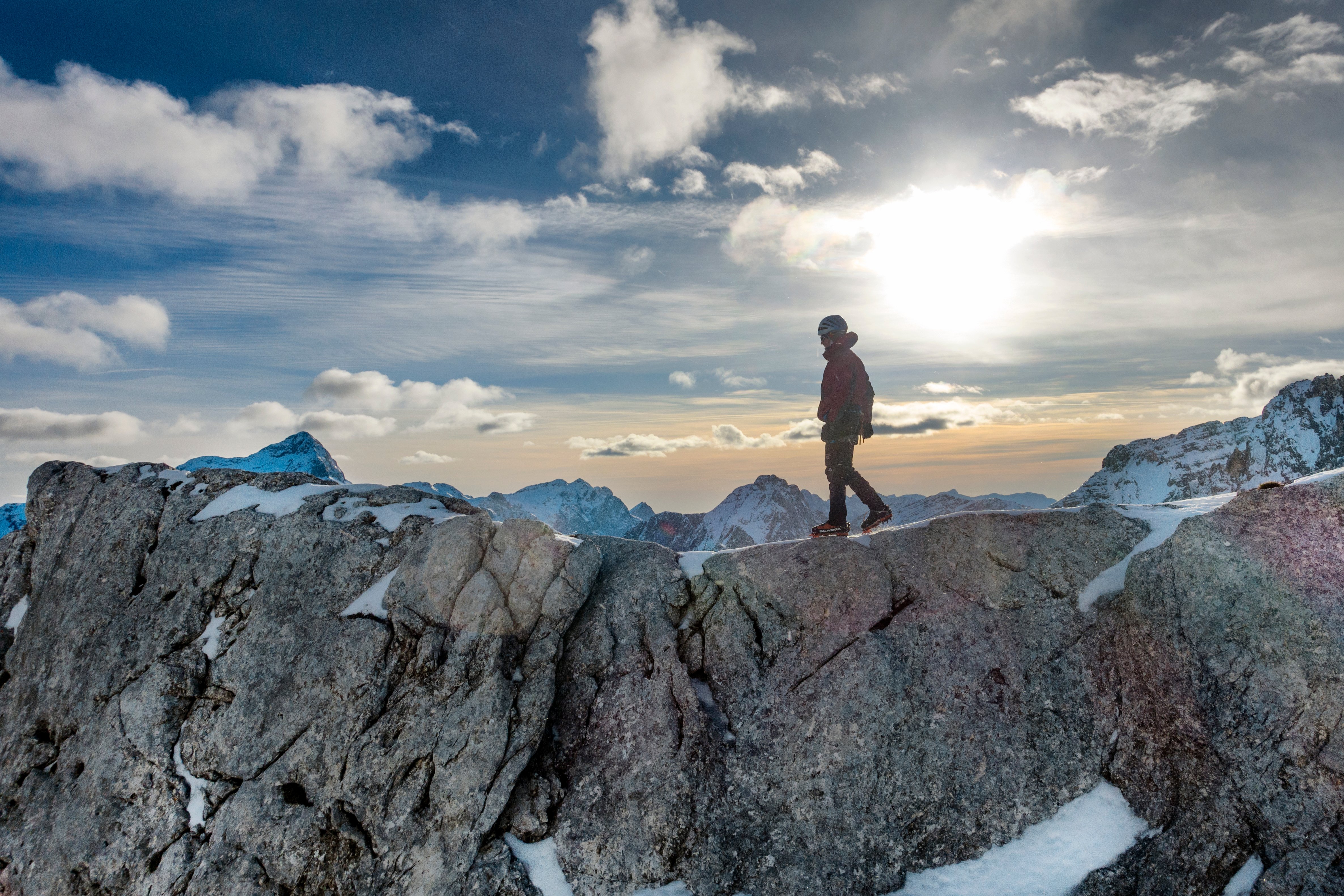
Conquer Slovenia's highest peak in winter conditions with certified alpine guides over two days
Reserve
120 hr
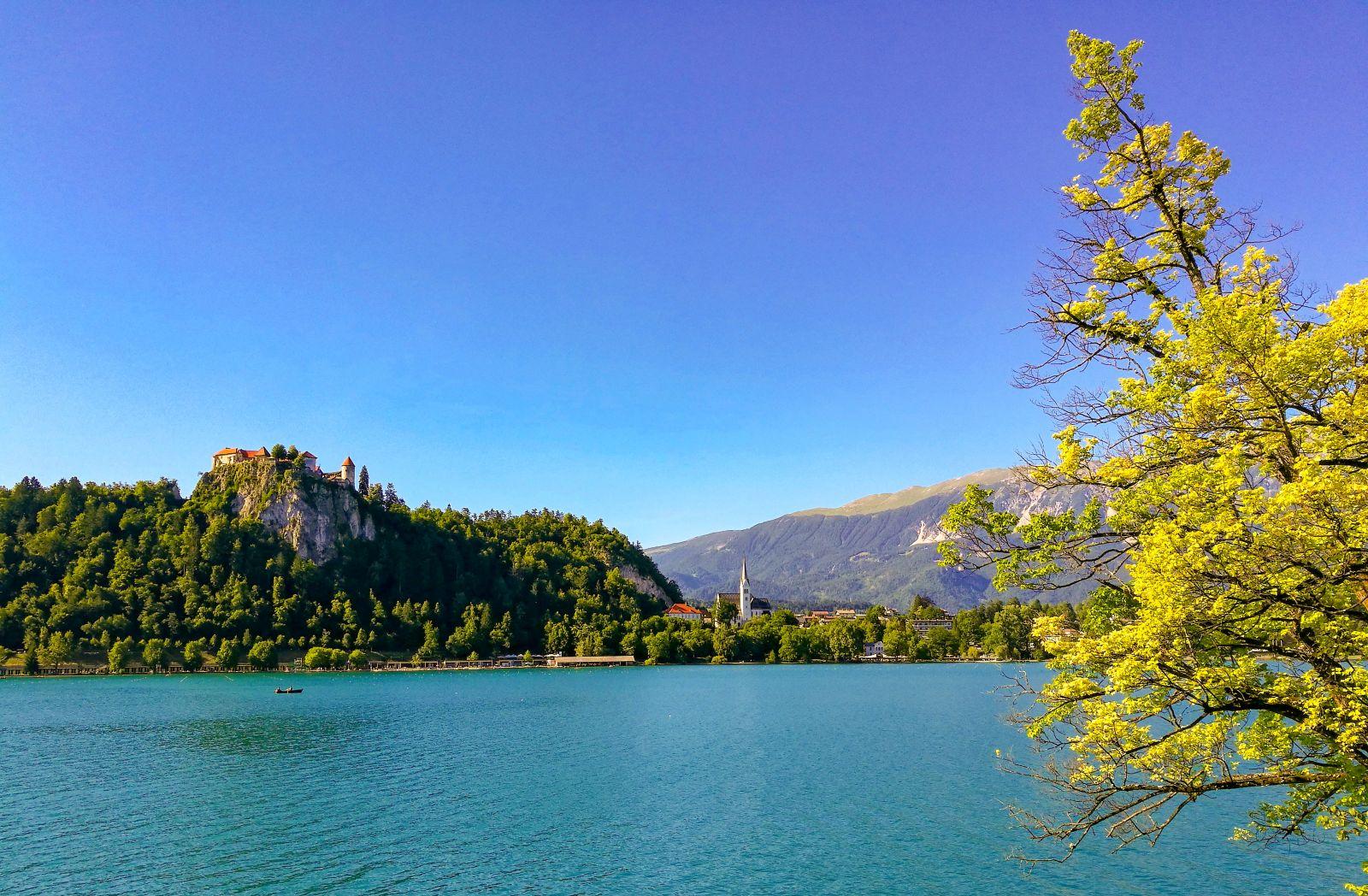
Summit Slovenia's highest peak via technical alpine routes, explore Postojna Cave, and unwind at Lake Bled.
ReservePrices from verified partners. Availability updates in real time at checkout. Free cancellation policies apply where shown.
The landmarks, rooms, and views travelers on this tour remember — all visible on a single visit.
An iconic metal structure at the summit, serving as a monument to Slovenian identity since 1895. Standing at 2,864m, it marks the completion of the climb.
A massive, near-vertical limestone wall that defines the dramatic landscape of the Julian Alps. It is one of the most significant alpine faces in Europe.
Home to the highest mountain hut and a meteorological station, this is the final staging area for the summit push. It sits at an elevation of approximately 2,515m.
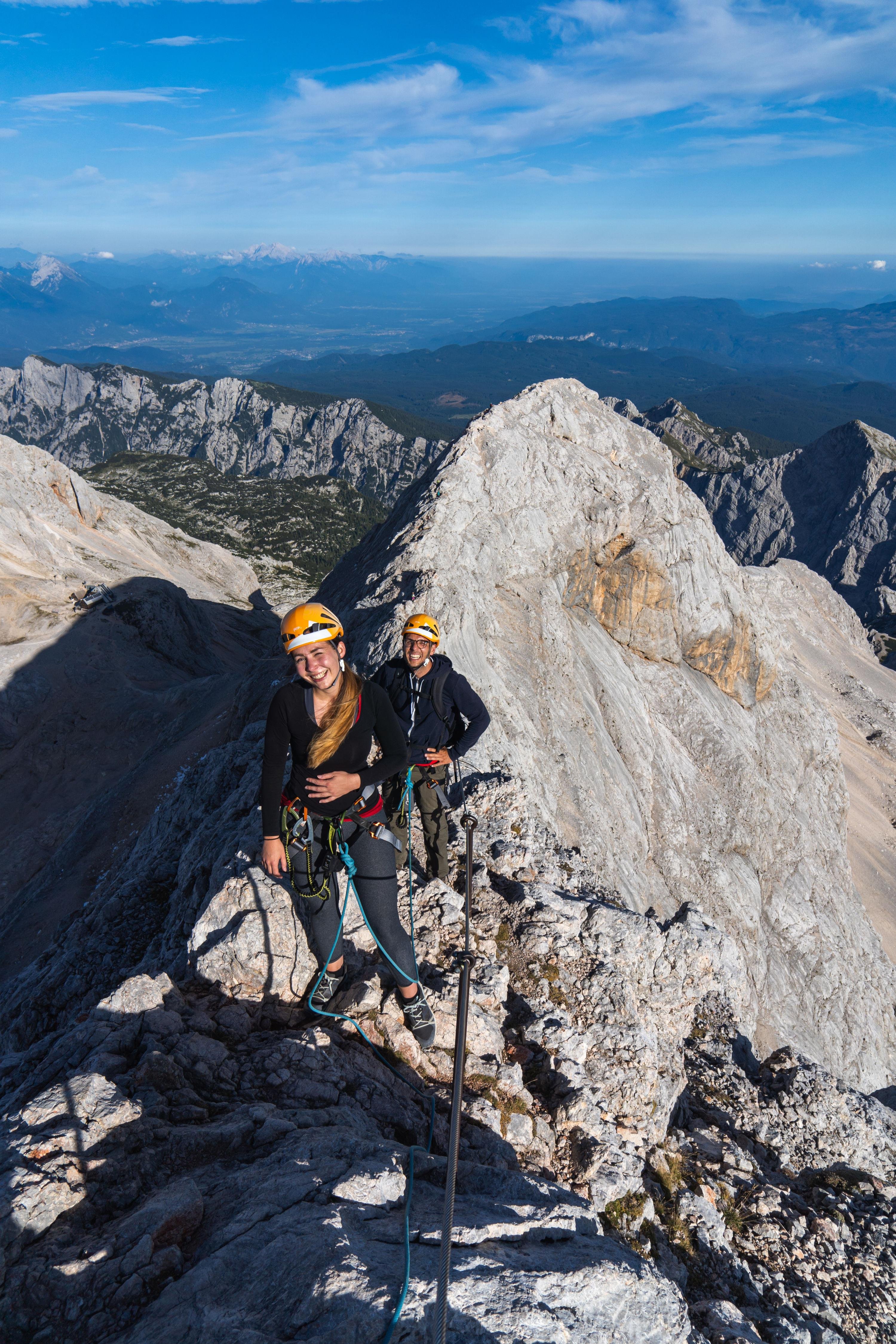
A crucial sub-summit ridge that leads climbers toward the main peak through a series of protected via ferrata paths.
The summit ascent provides a rigorous alpine challenge, while the Seven Lakes Valley trek offers a more accessible, scenic exploration of the park landscape.
| Feature | Top pick Triglav Guided Climb | Seven Lakes Valley Hike |
|---|---|---|
Technical Difficulty |
High, involves via ferrata | Low, non-technical trail |
Required Equipment |
Helmet, harness, via ferrata kit | Standard hiking gear |
Fitness Level |
High, sustained exertion | Moderate to high |
Exposure to Heights |
Significant vertical drops | Minimal to none |
Duration |
10–12 hours (typically 2 days) | 6–8 hours |
Best Suitability |
Peak baggers and thrill seekers | Nature lovers and photographers |
| See tickets → |
Verdict: Opt for a triglav guided climb tour if you seek vertical adventure, or choose the Seven Lakes trek for a longer day of alpine scenery where you might otherwise need triglav guided climb tickets to manage logistical planning for the summit.
Choose your ticket, select your date, and reserve in under two minutes. Secure checkout handled by our verified partner.
Instant confirmation by email, with a mobile voucher you can save offline. No printing, no queuing at a collection desk.
Arrive at the entrance, show your voucher on your phone, and walk in. Most tickets include priority or skip-the-line access.
Practical details for your visit straight from our verified partners — hours, access, rules, and how to get there.
Vrata Valley, Mojstrana
Primary starting point for the North Face routes.
Follow signs to the Krma or Vrata valleys for direct trailhead access.
Buses run from Bled to major trailheads like Pokljuka during summer peak season.
Sturdy, high-traction mountain boots are mandatory for a triglav guided climb. Layered technical clothing is required to manage rapid weather shifts in the Julian Alps.
Hikers on a triglav guided climb should use a well-fitted backpack suitable for multi-day trekking. Security at high-altitude huts is standard, but you are responsible for your own belongings.
Photography is permitted throughout the triglav guided climb, though drone usage is strictly regulated within the national park. Focus your lens on the dramatic limestone peaks and the Aljaž Tower at the summit.
The triglav guided climb is an intermediate-level physical challenge requiring high endurance and a stable head for heights. The final summit ridge is an exposed via ferrata; consult with your operator regarding specific mobility requirements.
The triglav guided climb is suitable for children aged 12 and older who possess the physical stamina for 6-hour hiking days. Always prioritize professional supervision for family groups.
Carry sufficient water and energy-dense snacks for the duration of your triglav guided climb. Alpine huts provide hearty meals, but availability depends on the seasonal operation of each mountain lodge.
Vrata Valley, Mojstrana
Primary starting point for the North Face routes.
Get directionsBest time to go, insider tips, nearby landmarks, and the cancellation fine print — flip through to skim what matters to you.
How crowds, weather, and events shift across the year.
Stable weather and open huts make this the ideal window for a triglav guided climb. Expect 06:00–08:00 starts to minimize storm risks.
Small details that turn a good visit into a great one.
Depart between 06:00–08:00 to ensure your triglav guided climb is finished before afternoon storms.
Huts fill up months in advance for any triglav guided climb trip.
Check the mountain forecast daily before starting your triglav guided climb.
Non-bookable sights within a short walk — free to visit, easy to pair.
Historic metal shelter located at the very summit of Mount Triglav.
Massive limestone wall visible from the Vrata Valley approach.
A stunning glacial valley popular for extended park treks.
Flexible, no hidden fees.
Cancellation terms for a triglav guided climb tour are specific to the individual operator. Please review your booking confirmation to ensure compliance with the 0 EUR park entry policy.
Hand-picked options within walking distance — pick a district for vibe, or a specific hotel for convenience.
The highest mountain hut, perfect for breaking up a triglav guided climb tour.
Classic mountain lodge located at the foot of the north face.
Mount Triglav's triple-peaked limestone crown rises 2,864 metres above the Julian Alps, a formation so iconic that its silhouette appears on Slovenia's national flag and coat of arms. The mountain's name derives from the Slavic deity Triglav, a three-headed god whose image mirrors the summit's tripartite structure. First ascent records date to 1778, when four men from the Bohinj valley reached the top via what is now the southern approach, though local shepherds likely reached subsidiary ridges centuries earlier. By the early 19th century, Triglav had become a pilgrimage site for Slovene national identity, with the tradition that every Slovene should summit at least once in their lifetime embedding the mountain into cultural consciousness as firmly as any cathedral or monument. Today Triglav anchors a 838-square-kilometre national park, the only such reserve in Slovenia, protecting karst plateaus, glacial valleys, and over 7,000 species. The mountain's geology is Triassic limestone and dolomite, carved by Pleistocene glaciers into sharp ridges, scree fields, and near-vertical north faces. Weather systems sweep in from the Adriatic 65 kilometres southwest, delivering sudden afternoon thunderstorms that make early starts non-negotiable. The most popular route, the southern approach from Rudno Polje via the Kredarica hut at 2,515 metres, involves 1,700 metres of elevation gain, steel-cable-protected passages, and exposed scrambling on rock rated UIAA grade II. The north face, a 1,000-metre wall first climbed in 1890, remains a technical objective reserved for experienced alpinists. Winter ascents demand ice axes, crampons, and avalanche assessment; the summit temperature can drop to minus 20 Celsius even as Bled basks at sea level warmth 30 kilometres north. IFMGA-certified mountain guides lead most triglav guided climb expeditions, managing rope work on the Bamberg and Kredarica sections, route-finding through morning mist, and pacing clients to avoid altitude fatigue. The final approach crosses the Mali Triglav saddle, then ascends a 50-metre iron-pegged pitch to the summit tower, where the Aljaž Tower — a cylindrical metal shelter erected in 1895 — marks the high point. On clear mornings the Adriatic glimmers to the southwest, Austria's Grossglockner rises northeast, and the entire arc of the Julian Alps unfolds in a limestone panorama that justified every pre-dawn departure and every thigh-burning switchback.
"The tradition that every Slovene should summit at least once in their lifetime embeds Triglav into cultural consciousness as firmly as any cathedral."
A step-by-step walkthrough of the visit — what you'll see, how long each stage takes, and the details that matter.
You meet your IFMGA guide at 5:30 a.m. in the car park below Rudno Polje, headlamp beams slicing the alpine dark as you shoulder a daypack loaded with three litres of water, a down jacket, and the harness and helmet your guide inspected the evening before. The trail climbs through dwarf pine for the first 400 metres, then breaks onto open scree as dawn bleeds orange across the Bohinj valley below. By 7 a.m. you reach Kredarica hut, the highest in Slovenia, where you refill bottles and apply another layer of sunscreen against the high-altitude glare. The route steepens beyond the hut. Steel cables bolted into limestone guide you across a 60-degree slab, your guide belaying from above as you clip and step, clip and step. The air thins; you pause every 20 metres to let your pulse settle. At the Mali Triglav saddle the wind picks up, funnelling through the col with enough force to flatten your jacket against your ribs. The final pitch is vertical: iron pegs hammered into rock a century ago, your guide's voice calm and precise as you pull yourself onto the summit platform. The Aljaž Tower stands waist-high, battered by a million storms. You sign the logbook, photograph the north face dropping away into shadow, and eat a sandwich as the guide points out the Adriatic shimmer 65 kilometres distant.
No, you do not need a permit to enjoy a triglav guided climb. Access to the park is free, as indicated by the 0 EUR fee.
Mount Triglav is naturally accessible 24/7, but we recommend an early start between 06:00–08:00 to avoid congestion and storms.
While the triglav guided climb is an intermediate-level adventure, you must be in good physical condition with a head for heights.
Bring standard hiking gear, a helmet, and a via ferrata kit for your triglav guided climb. Always include weather-resistant clothing.
The best time for a triglav guided climb is July through September when conditions are most stable.
There are no entrance fees for a triglav guided climb, as park entry is 0 EUR.
A standard triglav guided climb tour typically spans two days to allow for a safe and steady ascent.
Check with your specific operator for their unique refund rules regarding your triglav guided climb tickets.
Children over 12 can join a triglav guided climb if they can hike for 6 hours continuously.